
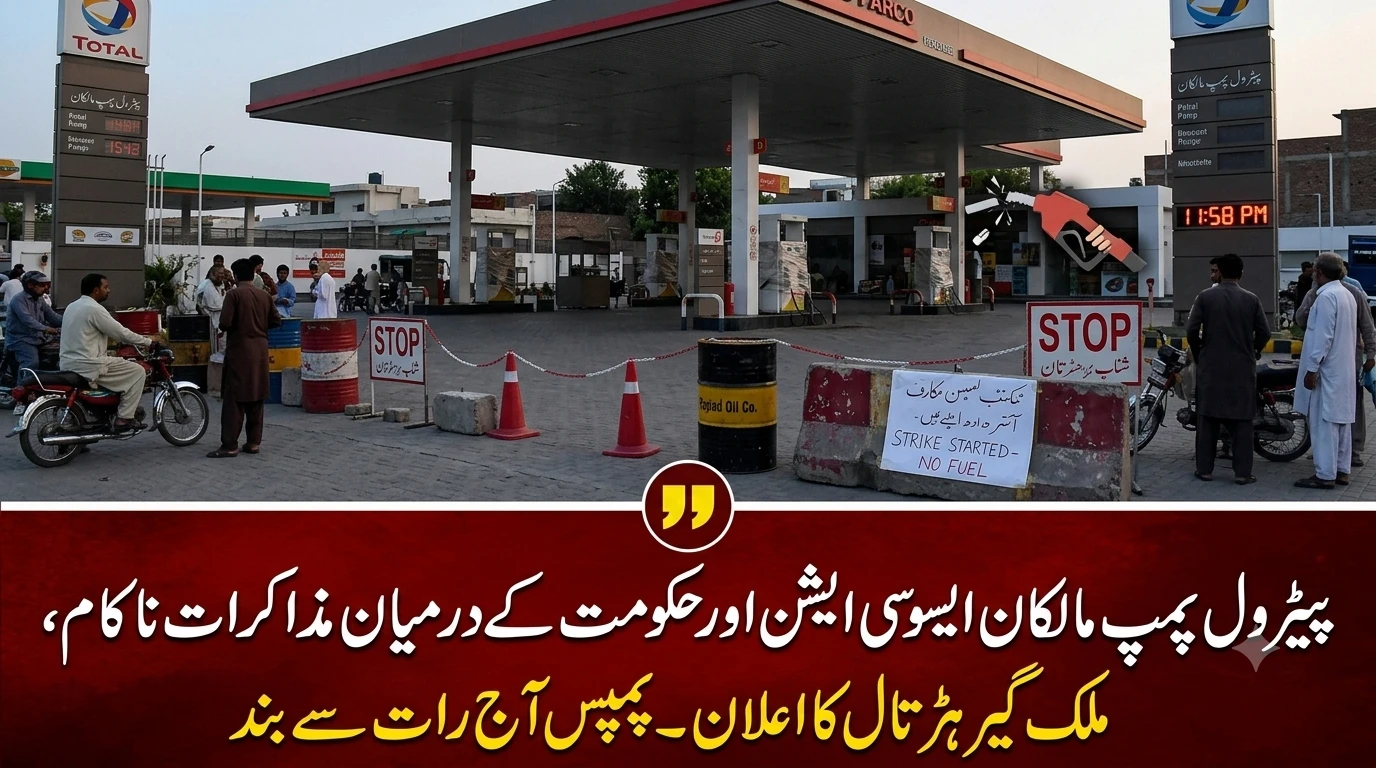
Nationwide Petrol Pump Strike: Everything You Need to Know About the Closure
A sudden fuel crisis is looming over the country tonight. Following a complete breakdown in negotiations between the government and the Petrol Pump Owners Association, a nationwide strike has been called. Starting tonight, fuel stations will shut down their operations.
This announcement has sent a wave of panic across cities. Long lines are already forming at stations as citizens rush to fill their tanks. But what exactly led to this sudden decision, and how will it affect daily life?
If you are wondering why this is happening and how long it might last, this guide covers everything you need to know. We will break down the core issues, the immediate impact, and what you can do to manage the situation.
Why Are Petrol Pumps Closing?
The decision to shut down petrol pumps is never taken lightly. It usually happens when major financial disagreements reach a breaking point. In this case, months of ongoing tensions have finally boiled over.
The Petrol Pump Owners Association and the government have been sitting at the negotiating table for quite some time. Unfortunately, they failed to reach a middle ground. Let’s look at the main reasons behind this drastic step.
Profit Margins and Rising Costs
The biggest issue for pump owners is their profit margin. Like any business, running a petrol station involves overhead costs. These include electricity bills, staff salaries, and maintenance.
Over the past year, the cost of doing business has skyrocketed. Inflation has pushed up utility bills and wages. However, the dealer margin—the fixed profit owners make on each liter of fuel—has not increased at the same pace. Owners argue that they are running into heavy losses under the current structure.
Furthermore, representatives from the association have pointed out that neighboring regions have adjusted their dealer margins to reflect current economic realities. They stress that without a similar immediate adjustment, sustaining daily pump operations is no longer a viable business model.
Taxation and Policy Changes
Another major hurdle in the talks was the government’s tax policies. The government collects heavy taxes on petroleum products to support the national budget.
Pump owners feel that they are bearing an unfair share of the tax burden. They have requested tax relief and a revision of the fixed margins. The government, currently facing its own economic pressures, refused to accept these financial demands, leading to the collapse of the talks.
The Immediate Impact on the Public
Whenever fuel stations close down, the public feels the shockwave almost instantly. Fuel is the backbone of the economy, and taking it away stops a country in its tracks.
Here is how this strike will likely impact daily life starting tomorrow morning.
Commuting Troubles
The most obvious impact will be on daily commuters. Office workers, students, and daily wage earners rely heavily on their motorcycles and cars. With pumps closed, getting to work or school will become a massive challenge.
Ride-hailing services like Uber, InDrive, and Careem will also face severe disruptions. Drivers will either stop working or increase their fares dramatically due to the scarcity of fuel.
Disruption of Public Transport
Buses, vans, and rickshaws need a constant supply of fuel to operate. A nationwide strike means that public transport fleets will be grounded within a day or two.
This hits lower-income groups the hardest. People who rely on affordable public transit to reach their jobs will be left stranded.
Emergency responders are also on high alert due to the impending fuel scarcity. Ambulance services and local fire departments are scrambling to secure reserve fuel lines, as any delay in their operations could pose severe risks during emergencies.
Supply Chain and Freight Delays
Fuel does not just move people; it moves goods. Everything from fresh vegetables to medicine is transported via heavy trucks.
If transport trucks cannot refuel, the supply chain slows down. This can lead to a shortage of fresh food items in local markets within a few days. Consequently, the prices of basic household goods might temporarily shoot up.
How the Government is Responding
The government is not staying entirely silent on the issue. While the talks have failed, authorities are taking steps to manage the fallout of the strike.
In a brief public statement, ministry officials urged citizens to avoid panic buying and assured them that resolving the deadlock remains a top priority. A special task force is reportedly being established to bridge the communication gap and bring both parties back to the table.
Mobilizing State-Owned Stations
Usually, during such strikes, state-owned petroleum companies are ordered to keep their stations open. The government will likely direct these specific pumps to maintain a steady supply.
However, state-owned stations make up a smaller percentage of the total pumps in the country. They will face extreme overcrowding and might run out of stock quickly.
Exploring Legal Actions
If the strike drags on and paralyzes the country, the government might resort to strict legal measures. Fuel is considered an essential commodity.
Authorities may threaten to cancel the licenses of pump owners who refuse to open. They might also deploy law enforcement to ensure that available stations remain peaceful and functional.
Practical Tips for Managing the Fuel Shortage
Panic buying is the first reaction for most people, but it usually makes the problem worse. Here are some smart, practical ways to handle the upcoming fuel shortage without stressing out.
- Avoid Unnecessary Travel: Cancel or postpone trips that are not absolutely essential. Stay home if you can.
- Work from Home: If your employer allows it, switch to remote work for the next few days. Explain the situation to your management.
- Carpool with Neighbors: If you must go to the office, talk to colleagues or neighbors who work nearby. Sharing a ride saves fuel for everyone.
- Use Public Transport Early: If state-run buses are still operating, use them. However, leave your house earlier than usual, as these buses will be incredibly crowded.
- Maintain Your Vehicle: A well-maintained vehicle consumes less fuel. Make sure your tires are properly inflated and drive at a steady, moderate speed.
- Do Not Hoard Fuel in Bottles: Filling plastic bottles and storing them at home is a massive fire hazard. It is highly dangerous and illegal in many areas.
Historical Context: Have We Seen This Before?
This is not the first time the country has faced a petrol pump strike. In fact, disputes over dealer margins happen almost every few years.
In the past, these strikes usually follow a similar pattern. First, there are rumors. Then, talks fail, and the association announces a closure. The public panics and forms long queues. Finally, after a day or two of public suffering, the government and the association find a temporary compromise.
Often, the strike ends when the government promises to form a committee to review the owners’ demands. Sadly, these temporary fixes rarely solve the root of the problem, which is why the cycle repeats.
What Happens Next?
The next 24 to 48 hours are critical. The Petrol Pump Owners Association has made its move. Now, the ball is in the government’s court.
Usually, the pressure from the public forces both sides back to the negotiating table very quickly. No government wants a paralyzed country, and business owners do not want to lose days of revenue.
Expect emergency meetings to take place late into the night or early tomorrow morning. Until a new agreement is signed, the public must brace for a difficult commute.
Conclusion
The failure of talks between the government and the Petrol Pump Owners Association has put the public in a tough spot. With pumps shutting down tonight, the immediate future looks disruptive for commuters, businesses, and transport services.
While the core issue comes down to profit margins and inflation, ordinary citizens are the ones paying the price. The best thing you can do right now is stay calm, avoid hoarding, and limit your travel. Keep an eye on local news updates, as these situations can change rapidly once negotiations resume.
Frequently Asked Questions (FAQs)
Are all petrol pumps closing tonight?
Yes, the Petrol Pump Owners Association has announced a nationwide closure. However, a few state-owned or company-operated stations might remain open, though they will experience heavy crowds.
Why are the pump owners going on strike?
The owners are demanding an increase in their profit margins. They argue that rising inflation, high utility bills, and heavy taxes have made it impossible to run their businesses profitably under the current structure.
How long will the petrol strike last?
There is no fixed end date right now. Historically, such strikes last between 24 to 48 hours before the government and the association reach a temporary compromise due to public pressure.
Should I store petrol in containers at home?
No. Storing fuel in plastic bottles or household containers is highly dangerous and a major fire hazard. It is strongly advised to only fuel your vehicle’s tank.
Will this strike affect the prices of household goods?
If the strike lasts for several days, it will disrupt the transport of goods like food and medicine. This supply chain delay can cause a temporary increase in the prices of everyday items.