
Inside the Next Generation: What Leaks Reveal About the iPhone 18 Pro Max Specs
Every autumn brings a wave of speculation regarding Apple’s upcoming smartphone releases. As supply chain whispers intensify, tech enthusiasts turn their attention toward the hardware powering the next high-end flagship.
The conversation centers heavily on performance jumps, architectural shifts, and visual enhancements. While official confirmation waits for Apple’s keynote event, component-level intelligence offers a clear picture of what developers and power users can anticipate.
The 2nm Architecture of the A20 Pro Chip
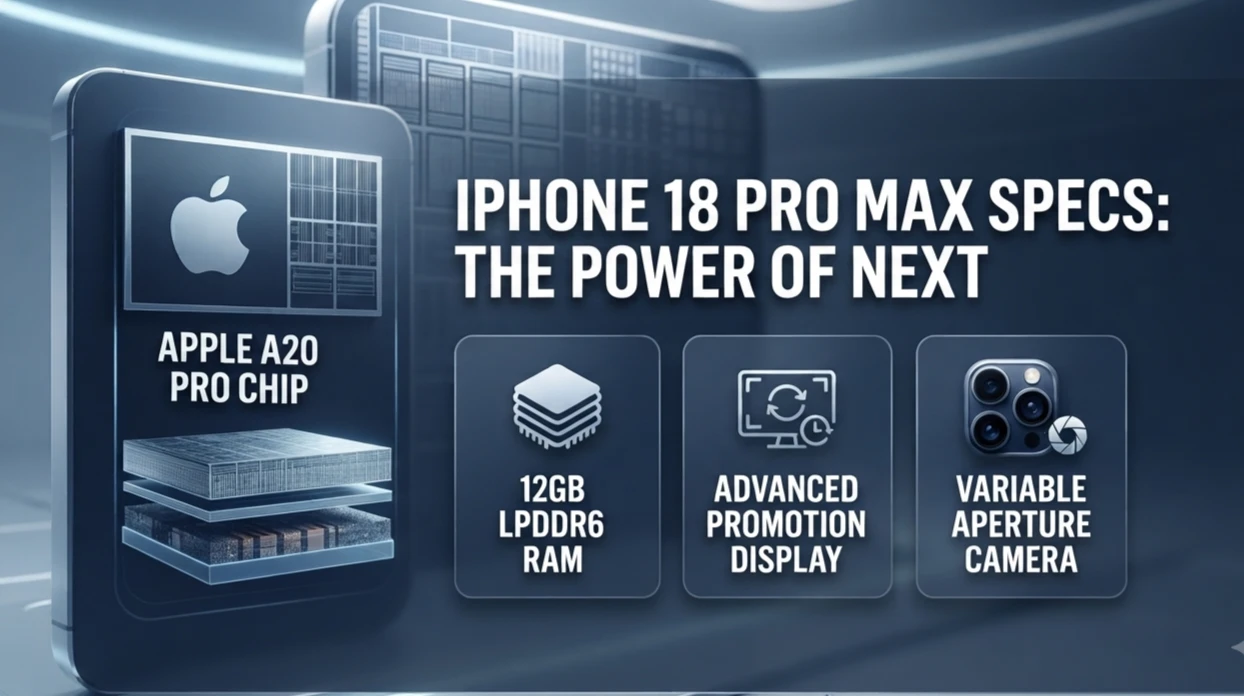
At the core of the upcoming hardware conversation is a transition to more advanced semiconductor manufacturing nodes. Moving down to a smaller scale allows engineers to pack significantly more transistors into a tight space.
- Performance-Per-Watt Gains: Early architectural data points to substantial efficiency improvements, helping devices run cooler during intensive tasks.
- Sustained Workloads: Extended video rendering sessions and complex local processing tasks benefit from reduced thermal throttling.
- Neural Engine Scaling: Dedicated machine learning blocks appear larger, pointing toward deeper on-device intelligence execution.
This silicon evolution aims to balance raw processing speed with long-term energy conservation. It represents a deliberate step toward handling heavier computational demands right on the device.
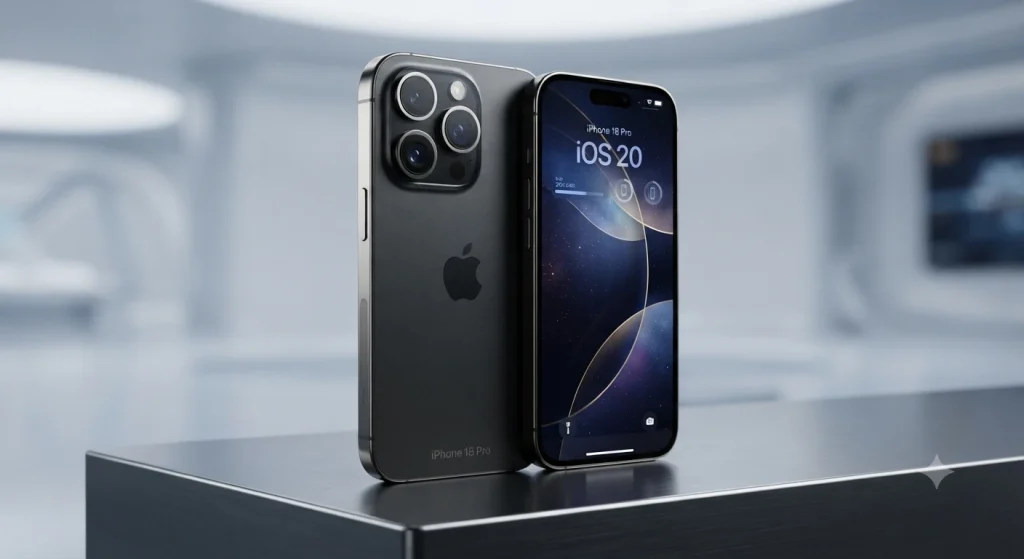
iPhone 18 Pro Max specs
Expanded Memory and Multitasking Capacity
Performance relies on more than just raw processor speed; memory allocation plays an equally critical role in how modern operating systems handle background tasks.
Rumors indicate that the top-tier Pro configurations will feature 12GB of high-speed unified memory. This expansion addresses the growing footprint of advanced background features, spatial media handling, and complex software applications.
- Keeping multiple resource-intensive applications open simultaneously becomes seamless.
- Local caching for large language models and smart photo editing tools runs without triggering sudden app reloads.
- Memory bandwidth sees an upgrade, ensuring data flows smoothly between the processor and storage layers.
Visual Hardware and Display Innovation
Visual output remains a primary selling point for Apple’s premium tier. The display panel architecture is rumored to incorporate refined low-power material sets, optimizing refresh rates from 1Hz to 120Hz while preserving battery endurance.
Furthermore, supply chain reports point toward structural adjustments on the front glass. A more compact sensor housing layout could slightly reduce the physical footprint of the interactive notification area, maximizing usable glass surface area for media consumption and navigation.
Optical Upgrades and Camera Mechanics
Camera capabilities continue to evolve beyond simple megapixel counts. Industry leaks suggest that the primary wide sensor may introduce a physical variable aperture mechanism.
- Depth Control: Optical adjustment of the f-stop allows for natural depth-of-field manipulation rather than entirely software-driven portrait effects.
- Low-Light Performance: Larger light-gathering capabilities help minimize noise when capturing images in challenging lighting environments.
- Sensor Architecture: Advanced stacked sensor designs improve response times and dynamic range across multiple focal lengths.
Frequently Asked Questions
What processor is expected to power the iPhone 18 Pro Max?
Current industry leaks point toward the adoption of a new A20 Pro processor built using advanced semiconductor fabrication nodes.
How much RAM will the new Pro models feature?
Reports indicate an upgrade to 12GB of unified memory, designed to support advanced multitasking and local computing tasks.
Will the physical design change significantly?
The overall form factor remains similar to previous generations, though adjustments to internal battery sizing and cooling architecture may result in minor variations in thickness and weight.
When is the official announcement expected?
Apple typically hosts its hardware showcase event during the month of September, following traditional annual release timelines.